Leadership is Everything
Healthy Reminders for the Modern Leader
Exponent Labs
Likes: 1
The True Nature of Risk
In the ever-shifting terrain of leadership, one truth remains constant:
“Risk cannot be destroyed; merely transformed.” – Hoffstein
Leaders, then, are not destroyers of uncertainty but stewards of its metamorphosis.
How To Focus
This transformation, however, requires discernment — a discipline of separating what can be shaped from what must be accepted. As Richardson reminds us,
“There is a difference between the things you can control and the things you cannot control.”
To navigate this distinction, Covey offers a useful model:
“You have a circle of control, a circle of influence, and a circle of concern.”
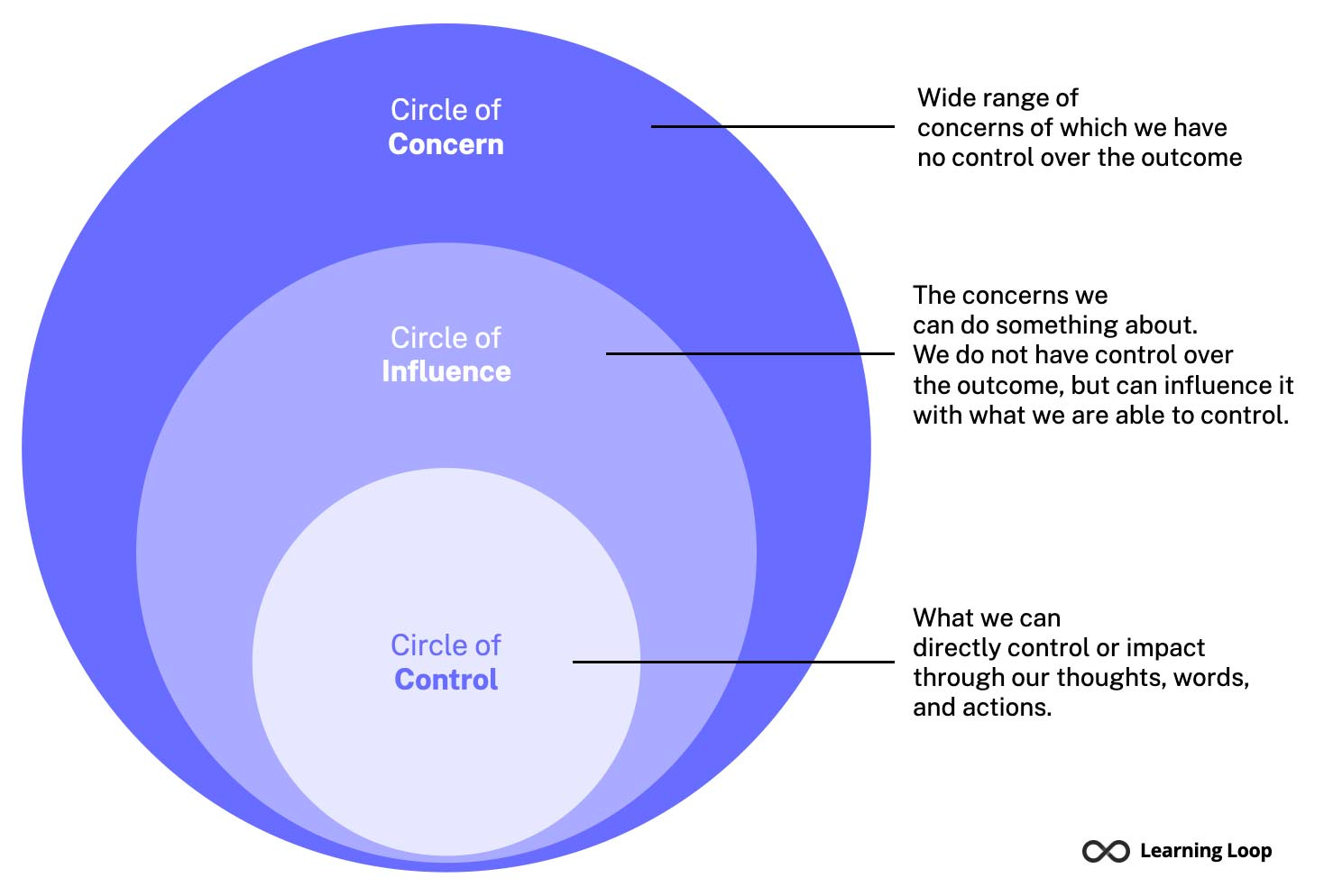
What’s In Your Circle of Control?
In business, leaders exert influence primarily within their circle of control. This includes critical levers such as:
-
Target Market Segmentation
-
The 4Ps of Marketing (Product, Price, Place, Promotion)
-
GOPST: Goals, Objectives, Plans, Strategies, and Tactics
This structured approach keeps leadership grounded even when external forces swirl in chaos.
What’s NOT In Your Circle of Control?
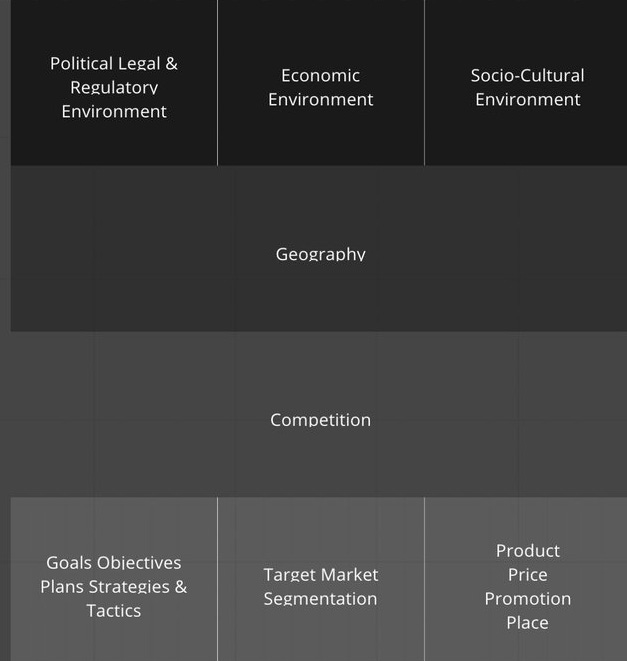
In life, you can’t control the weather. In business, you also can’t control the weather. The weather in which you launch your ship is made up of the following:
-
The Political Legal & Regulatory Environment
-
The Economic Environment
-
The Socio-Cultural Environment
-
The Technological Environment
-
The Competitive Environment
-
The Geographic Environment
There’s No Business Like Show Business
But the modern leader does not operate in a vacuum; rather, they lead in an era where,
“In a world where we interact through screens and microphones, we are no longer merely in business but rather now embroiled in show business.”
Messaging, then, becomes performance:
“It’s not what you say, it’s how you say it and where you say it and whom you say it with.”
When Does Leadership Emerge?
Leadership often crystallizes not in calm, but in tension. According to the framework of Octalysis by Yu-Kai Chou, leadership emerges wherever there are feelings of:
-
Unpredictability and Curiosity
-
Scarcity & Impatience
-
Loss & Avoidance
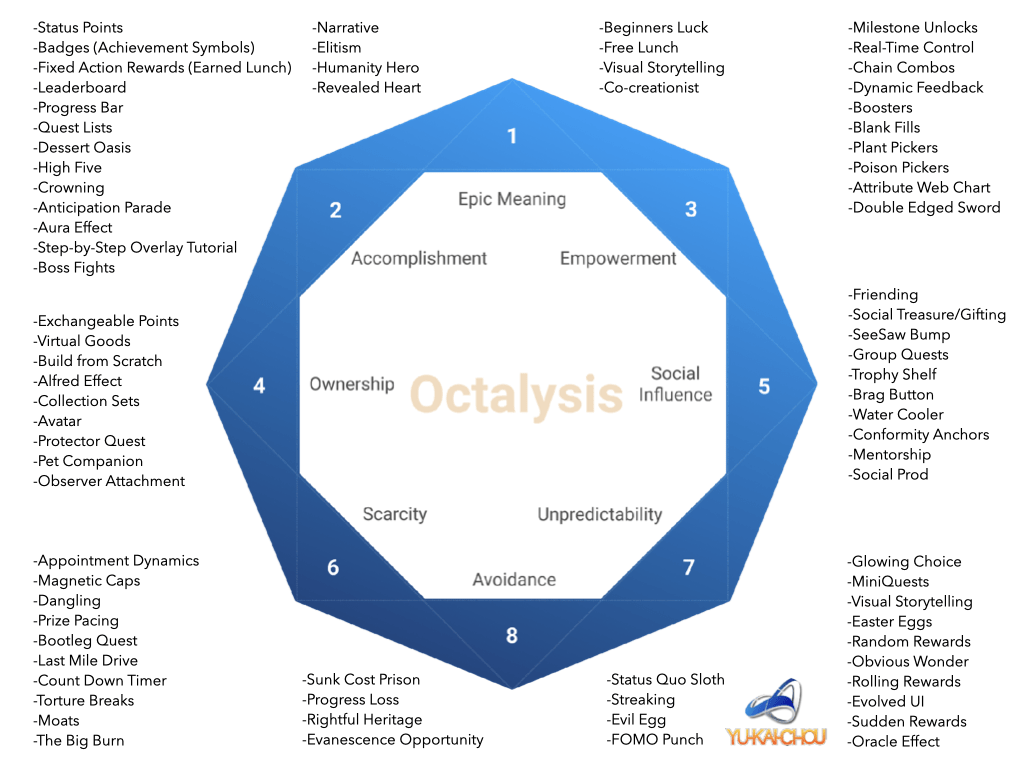
These emotional currents create the conditions where leadership is most needed—and most likely to be tested.
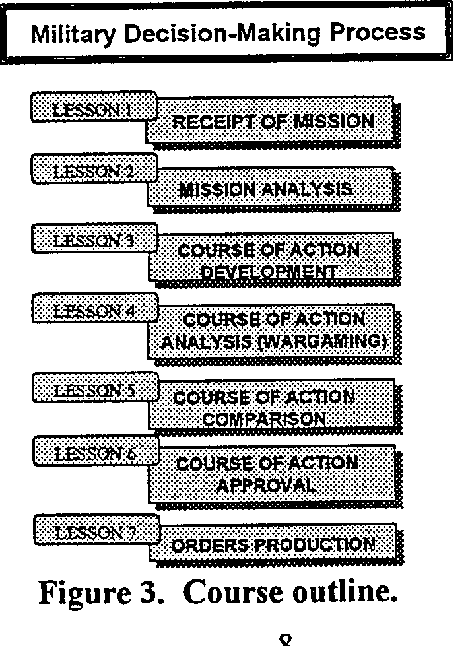
The Purpose Of Planning
“No plan survives first contact with the end user.” - Zach Zayac
Yet we plan not to cling to the blueprint, but to rehearse the flexibility it demands.
“The purpose of creating a plan is not the plan but rather the planning because planning is preparation.” - Zach Zayac
Luck, Opportunity, and Preparedness
Preparation, then, becomes the soil in which opportunity can take root.
“If luck is when opportunity meets preparedness, you cannot get lucky if you are not prepared.” – Gerskup
But as any seasoned guide knows,
“The map is not the terrain.” - Korzybski
Real-world leadership is not simulated; it is lived.
Putting It All Together
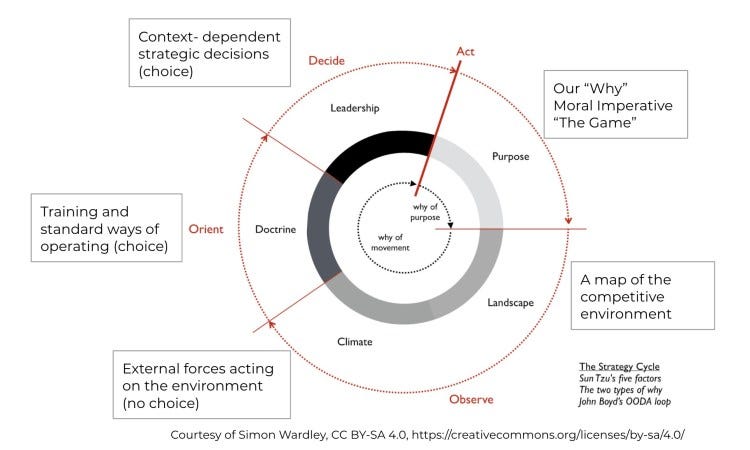
“You start where you stand. Therefore, you must consider the why of purpose and the why of movement together, not separately.” ~ Wardley
These dual ‘whys’ are not abstractions — they are the heartbeats of meaningful action.
From Good CEO to Great CEO
“A great leader surrounds themselves with people who are strong where they are weak.” - Gruman
Leadership is not about being the best at everything, but about creating a resilient whole from complementary parts.
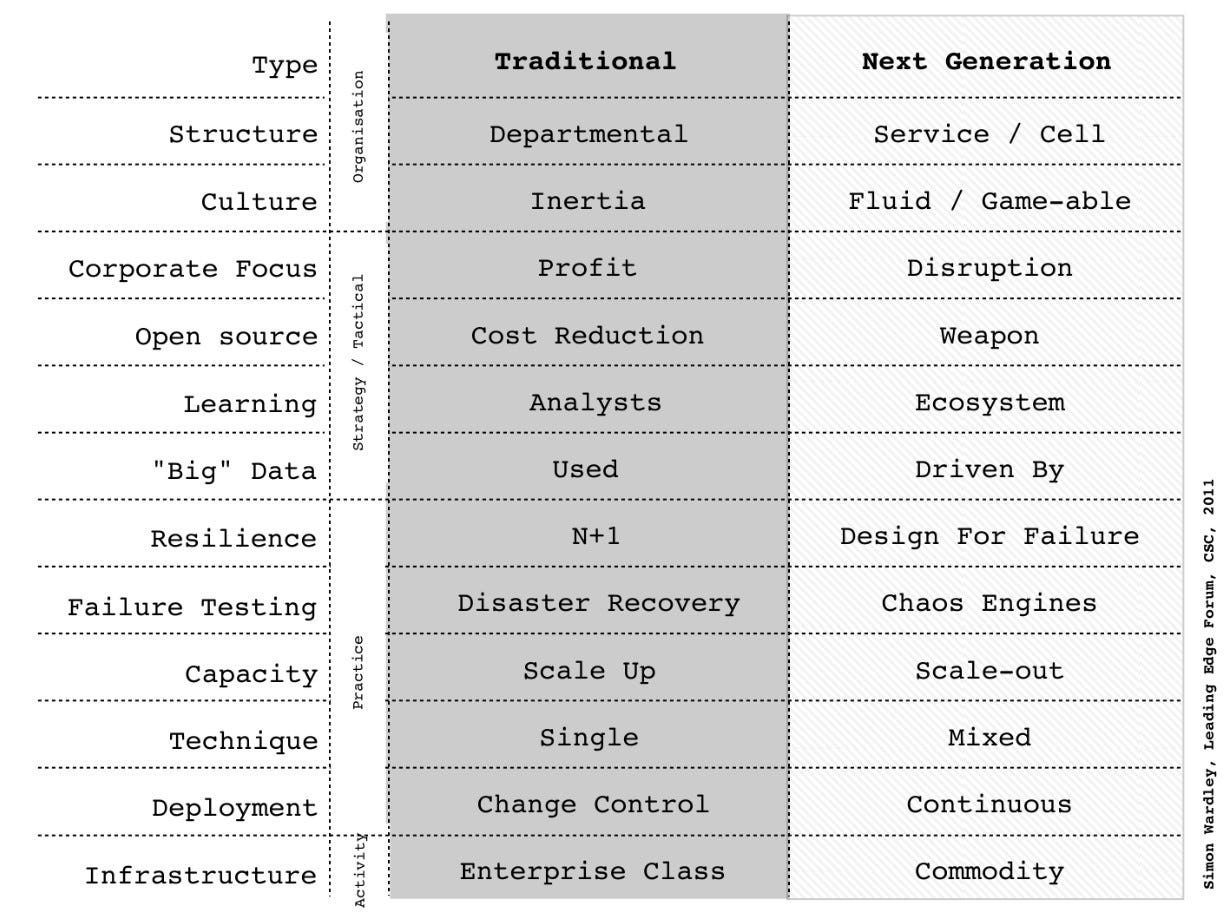
Of course, adversity is inevitable. There are two mindsets: the fixed mindset and the growth mindset. The latter is indispensable to leadership. A growth mindset is critical for any leader because leaders will face significant defeats and setbacks along the way. If you don’t believe you can grow, you’ll quit as soon as disaster strikes.
Integrating Accidents
There is a deeper metaphysical truth to leadership, too.
“Everything actual is actual by virtue of all its accidents.” – Whitehead
Between Techne (craft) and Episteme (knowledge), or between Chokhmah (Wisdom) and Binah (Understanding), lies a necessary bridge: Savoir Faire, the knowing how that can only arise through doing. It is in action that theory and wisdom coalesce.
Conclusion
“The universe moves from being into doing into having. To have, you must first be, which causes the being to do, and the doing results in the having. Therefore, there is nothing to get; there is only to be.” – Dr. Robert Anthony.
Leadership, then, is not about acquisition. It is about identity — about being before doing, and doing before having.
Because ultimately,
“Success isn’t what you get, it’s who you become in the future.” – Pirillo.
BONUS: Leadership vs. Management
Leadership is doing the right things.
Management is doing things right.
Can you see the difference?